

On January 1st the electricity price rose from 27.35p/kWh to 28.62p/kWh; a 6% increase which over time will be significant to households across the country struggling to make ends meet. This means that since 2021, electricity prices have increased by 53.4%.
With energy prices remaining high, being consumer-savvy about energy-efficient products is more important than ever. Here are 4 practical tips to help you reduce your electricity bills:
- Know your home appliances and their energy efficiency ratings
Modern, labelled appliances have a rating from A+++ to F. The A rated machines cost the least amount of money to run. This information will give you an idea of the electrical consumption per appliance and if the appliance can be used less often or be replaced with a more energy-efficient model.
Not every electrical appliance has energy efficiency ratings; for example, dehumidifiers and fans. In these cases, you can use the wattage to work out the cost to run per hour and therefore how energy efficient the appliance is (some brands may have put this calculation on their website for you). See the calculation below.
Cost to run per hour calculation:
1000 / appliance wattage = X 28.62 (the current electricity price in the UK) / X = cost to run per hour
Take a look at our MeacoDry Arete 10L Dehumidifier and Air Purifier as an example. The dehumidifiers wattage is 151 watts.
1000 / 151 = 6.62 28.62 / 6.62 = 4.32
The appliance therefore costs just over 4p per hour to run, making it very energy efficient!
- Unplug “vampire devices” to save £55 per year
Smart speakers, phone chargers, fridges, air purifiers and dehumidifiers are appliances that drain the least amount of energy.
- Save money drying wet washing and protect the home
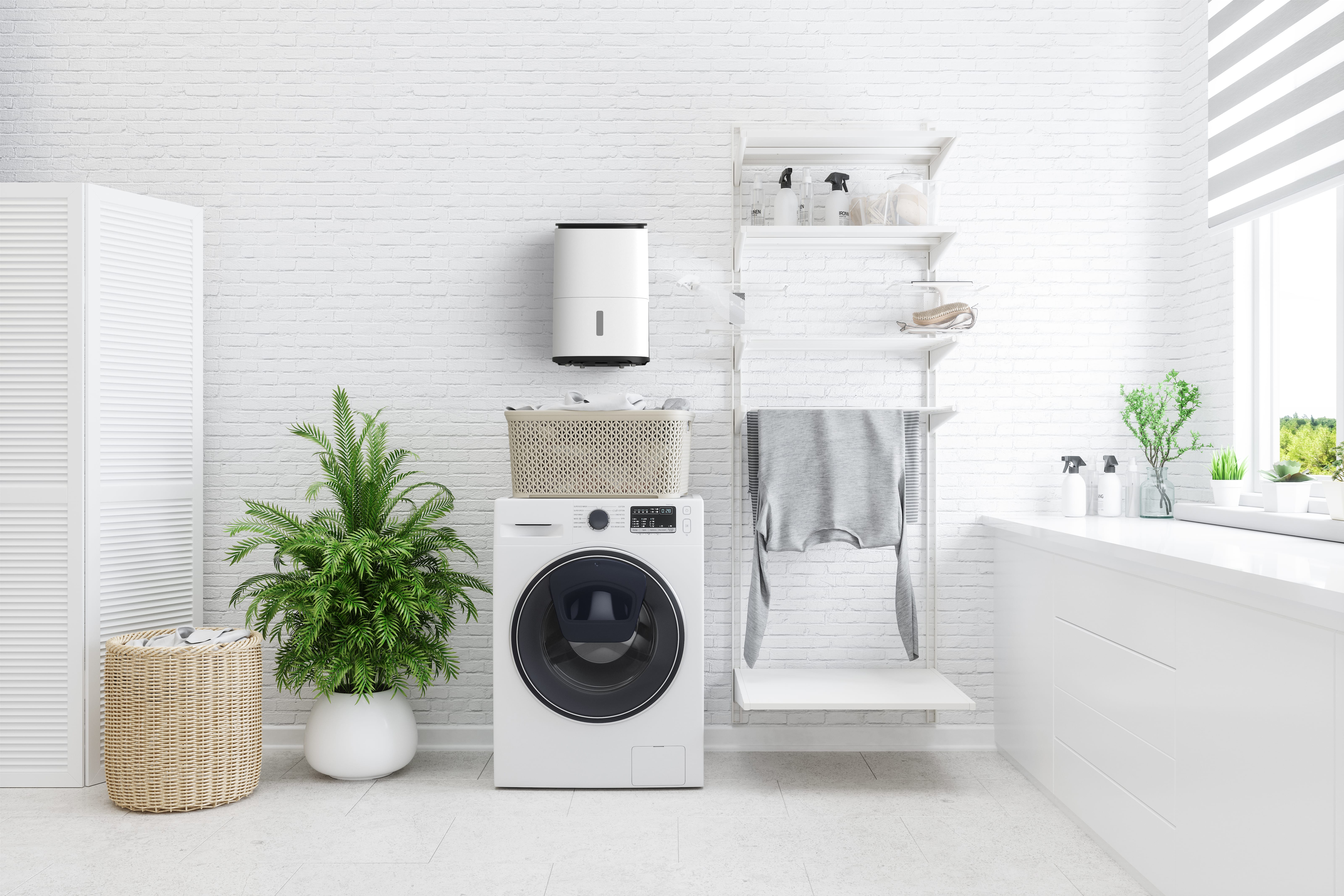
With the new energy price increases the cost of drying a typical load of washing in a tumble dryer from £1.27 to £1.35. With an average UK usage of approximately 270 wash loads per year*, this increase could result in as much as £20 extra for households annually.
Our dehumidifiers will dry the same amount of washing for approximately 38p, an approximate saving of £1 every time. A dehumidifier with a laundry mode will switch itself off after a laundry cycle to save even more energy. It also protects the home, preventing mould related issues, stops damp smells and takes the chill out of the air.
From an efficiency perspective, not all dehumidifiers are the same. When looking at dehumidifiers, it’s important to pay attention to both the electrical consumption figures and the length of warranty that comes with the appliance. While one dehumidifier may cost less upfront, but it might be more expensive to run, meaning, in the long run, you’ll spend more money.
We are proud to have recently hit the milestone of one million dehumidifiers sold. We believe our popularity is a testament to our dedicated effort to engineering dehumidifiers that are energy-efficient and operate with low noise.
- Future proof against further prices rises by replacing inefficient appliances
As electricity prices continue to fluctuate, investing in energy-efficient appliances is a way to future-proof your home. These appliances are designed to meet or exceed the latest energy efficiency standards, ensuring they remain cost-effective as electricity prices change.
Reducing energy consumption isn’t just about saving money; it’s also about reducing your carbon footprint. Energy-efficient appliances contribute less to greenhouse gas emissions, helping combat climate change.
For more advice on how to reduce electricity costs, prevent moisture issues such as damp, mould and condensation and stay healthy in the home, please visit our Blog for more information.
Check out our dehumidifier range